Time for Provincial Status

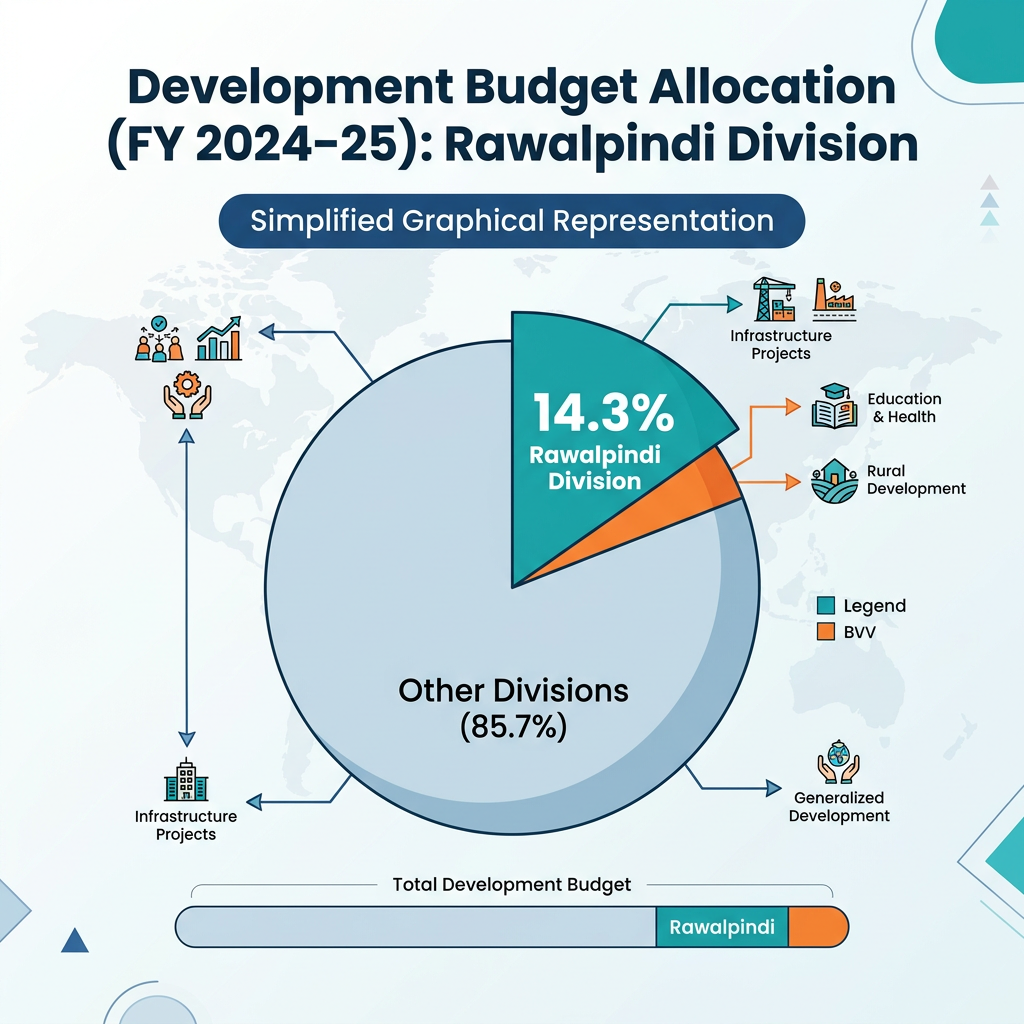
Rawalpindi Division, with a population of 11.4 million and area of 22,255 km², is larger than 140 countries in population and 80 countries in land area. Despite its massive geostrategic weight and high concentration of foreign remittance inflows, it faces poverty, underdevelopment, and chronic neglect, receiving an estimated share of just 14.3% of Punjab’s development budget. Around 14.5% of its population lives in poverty, 22% of children are out of school, only 79.9% are literate and nearly 85,000 crime cases are reported division wide annually. Experts believe that granting permanent provincial status could be a game changer, ensuring fair representation, improved governance and balanced development across northern Pothohar region.
Key Socio-Economic Indicators
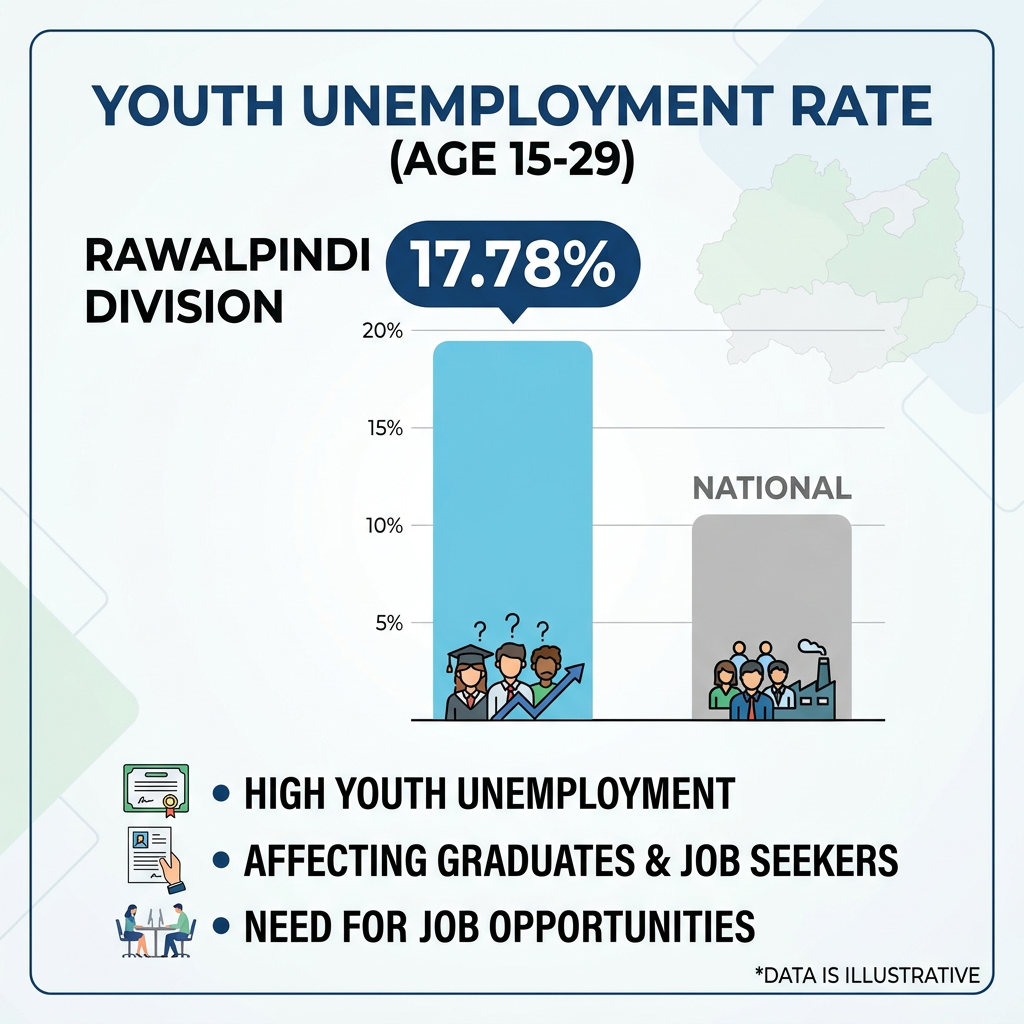
Youth Unemployment 17.78%
Development Budget Allocation (FY 2024–25) 14.3%
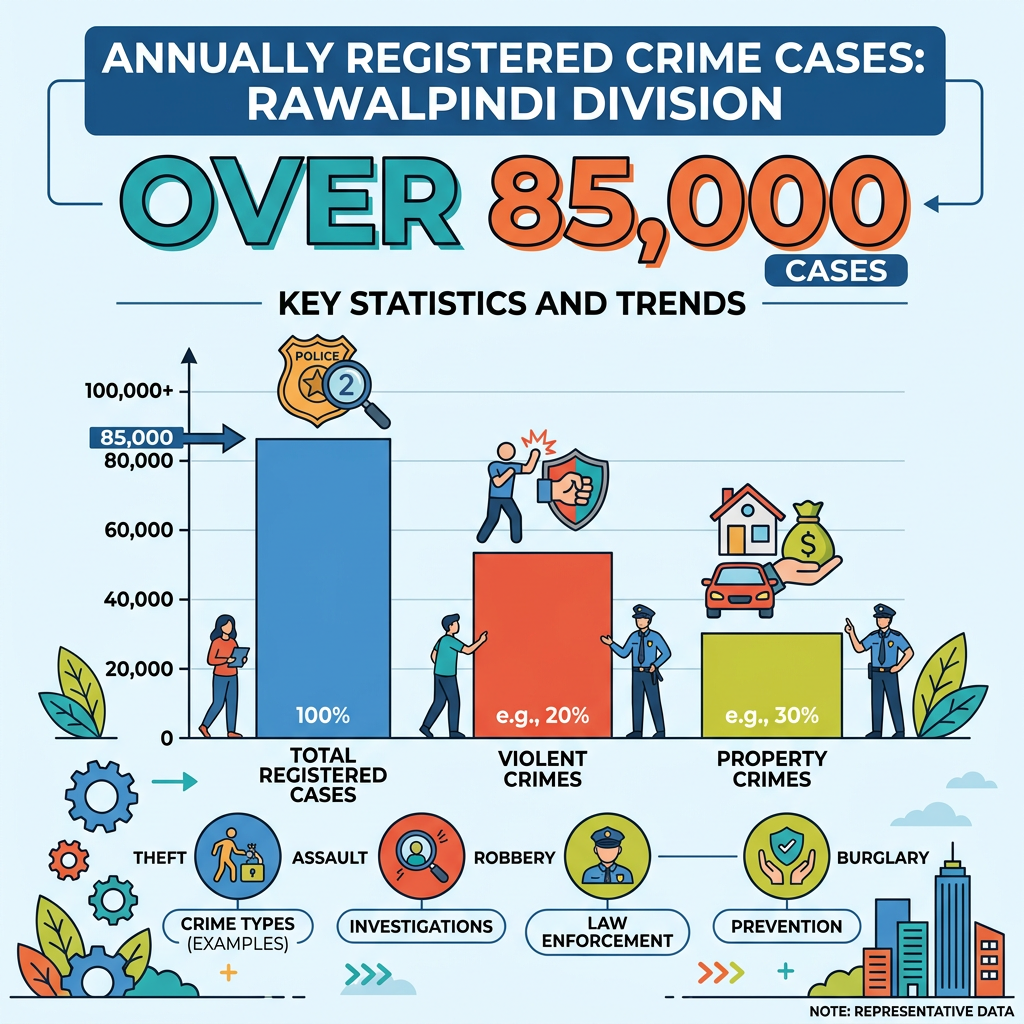
Annually Registered Crime Cases Over 85,000 cases division-wide
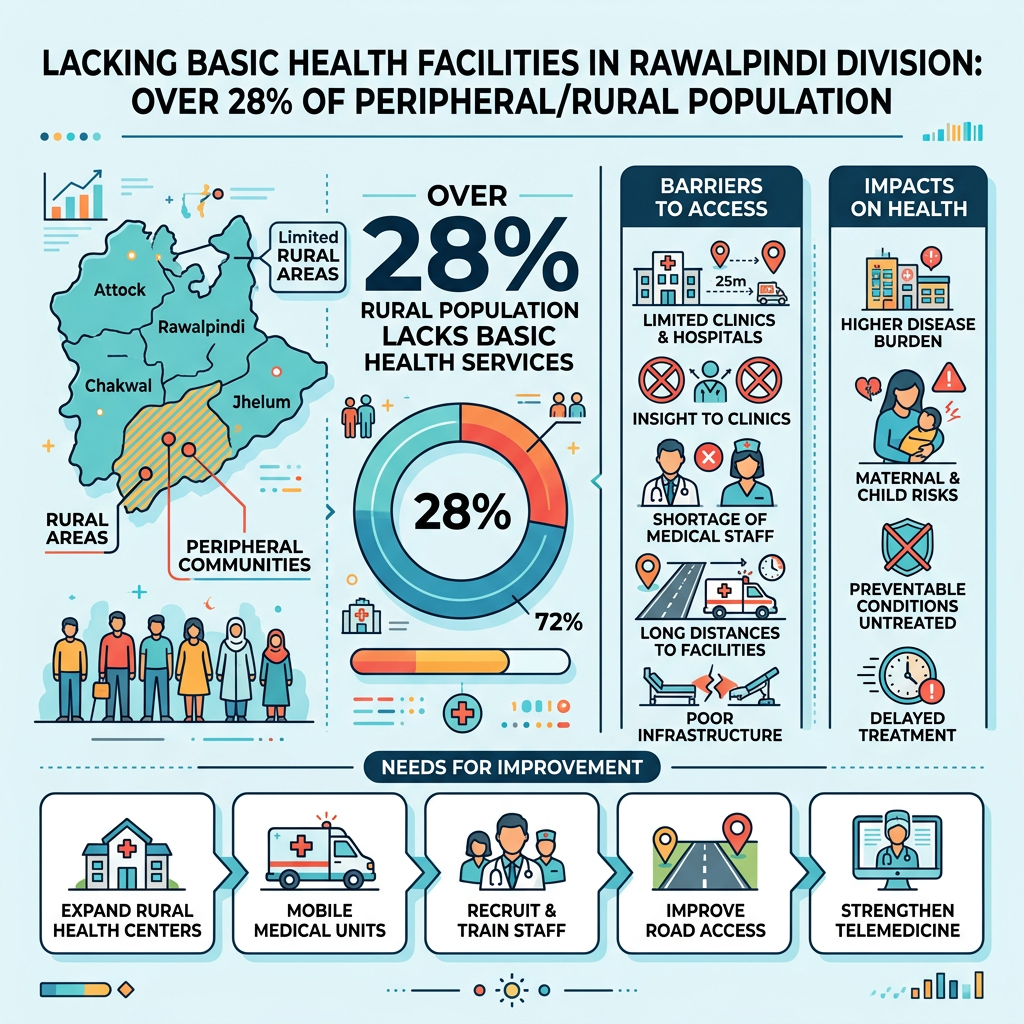
Lacking Basic Health Facilities Over 28% of Peripheral/Rural Population
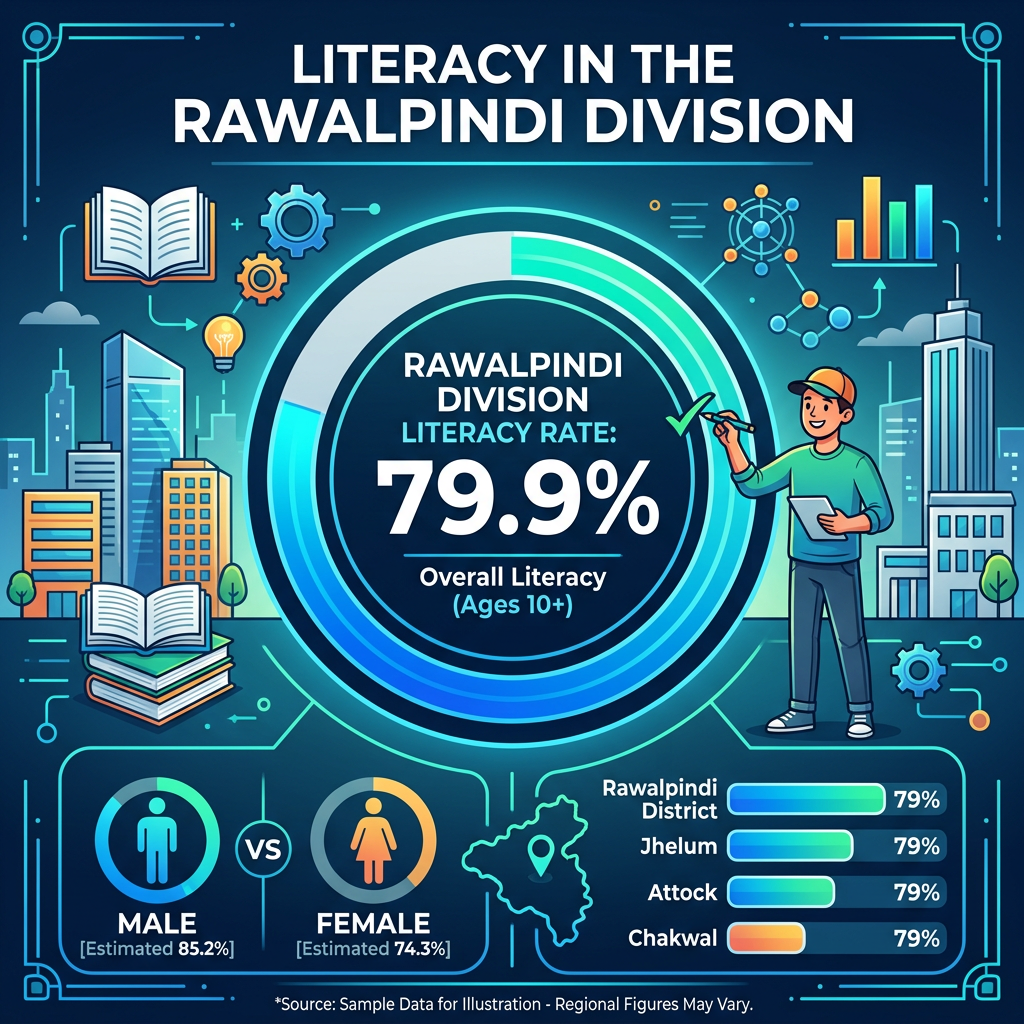
Literacy Rates 79.9%
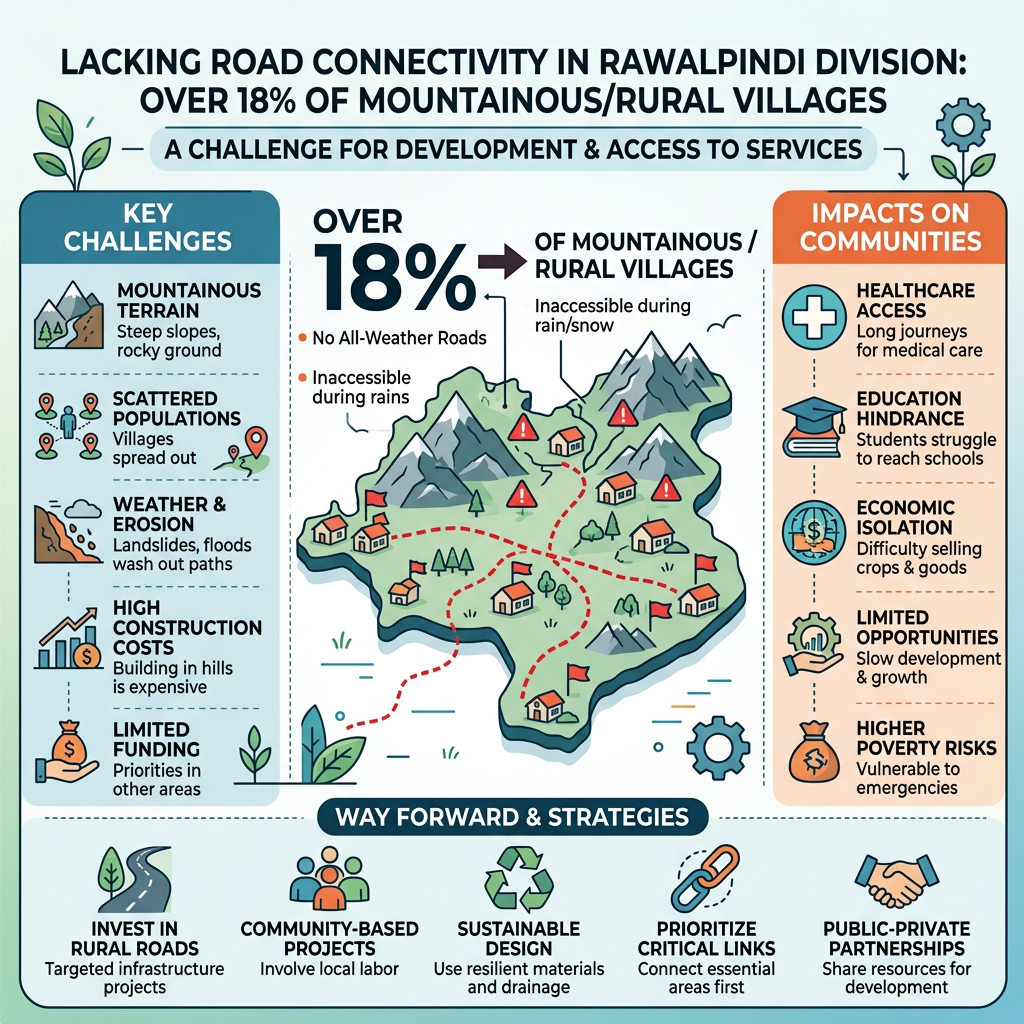
Lacking Road Connectivity Over 18% of Mountainous/Rural Villages
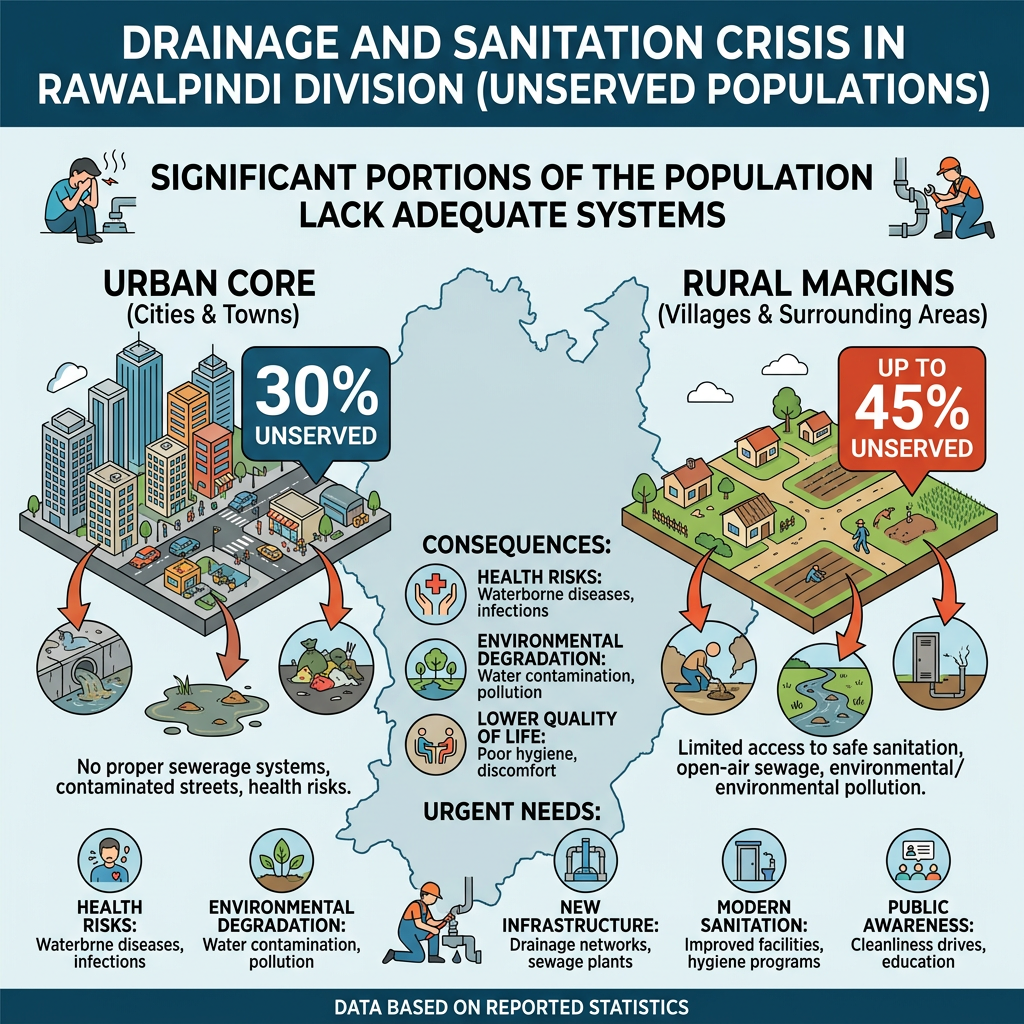
No Drainage and Sanitation 30% urban core unserved, up to 45% in rural margins
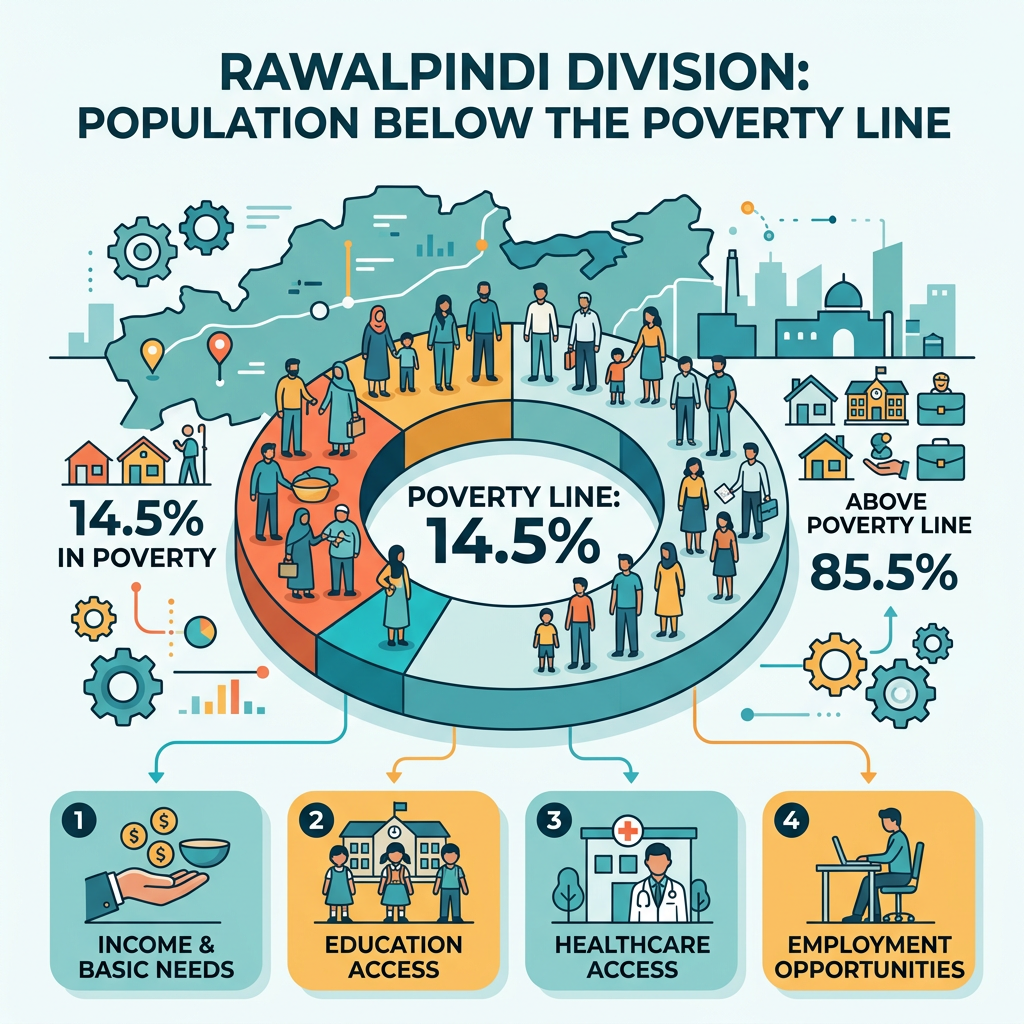
Population below the Poverty Line 14.5%
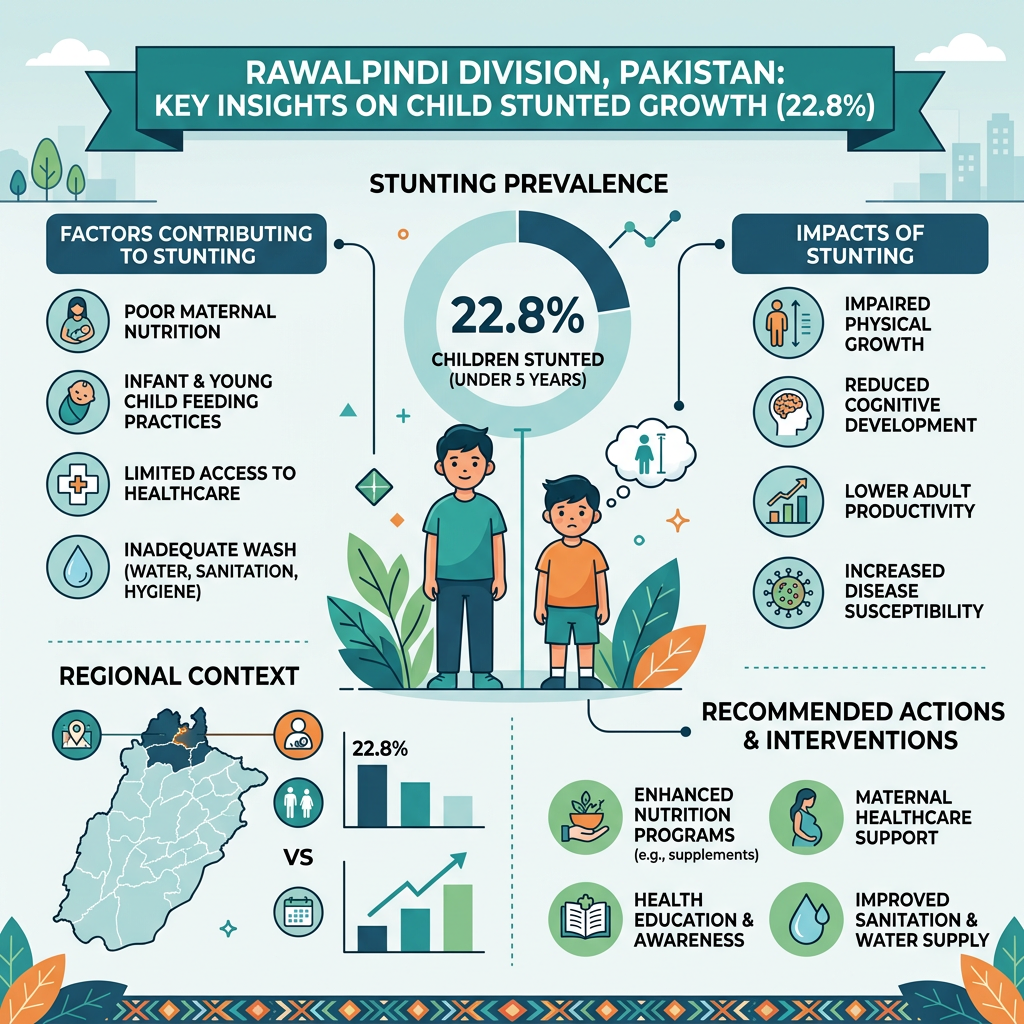
Children Stunted Growth 22.8%
Youth unemployment in Rawalpindi
Development budget allocation (FY 2024-25)
Annually registered crime cases
Lacking basic health facilities
Literacy rates in Rawalpindi
Lacking road connectivity in Rawalpindi
No drainage and sanitation in Rawalpindi
Population below the poverty line
Children stunted growth in Rawalpindi
04
Districts
22
Tehsils
0
Population (2023 Digital Census)
0
Area (km²)

Key Challenges

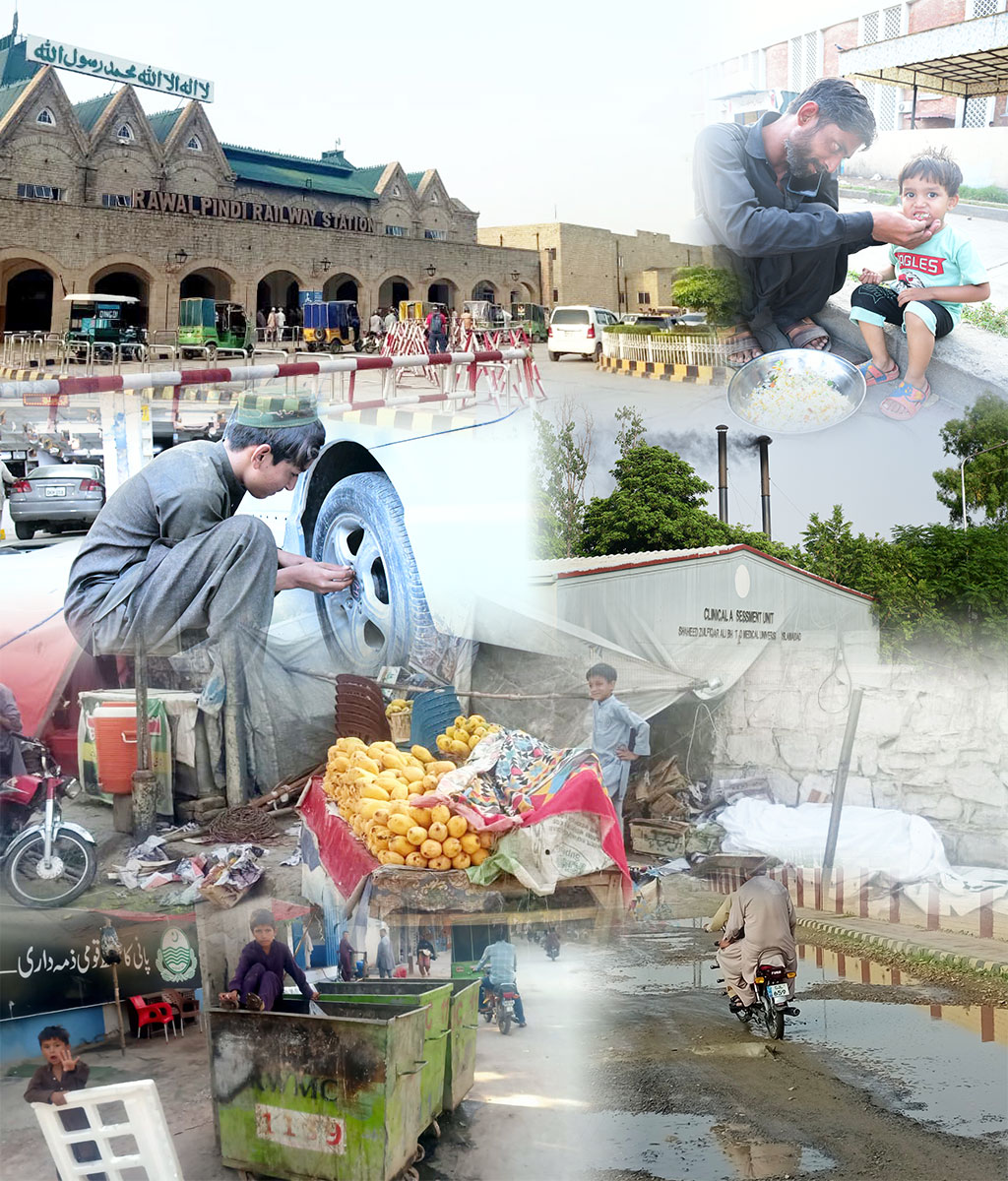
Rawalpindi Division is grappling with a web of deep rooted challenges, from an overwhelmed healthcare infrastructure and sharp secondary level educational drops to critical depletion, industrial sewerage pollution, and severe corporate job mismatch that leaves its highly educated youth facing unmatched provincial underemployment.
  • Health Overload:
    Healthcare facilities in the urban core are under severe pressure because peripheral districts completely lack specialized advanced medical layouts, forcing tertiary units to bear the primary clinical and trauma load for an expansive regional catchment.
  • Education Shortfalls:
    While the metropolitan center logs high literacy marks, severe school availability gaps and sharp erosion trends hit secondary and high school demographics across rural, rugged tehsils due to long transit distances and teacher shortages.
  • Sewerage Pollution:
    The division completely lacks large scale, automated wastewater treatment facilities, causing massive volumes of untreated municipal liquid waste and toxic effluents to dump directly into natural streams daily, triggering widespread environmental degradation.
  • Drinking Water:
    Rapid urban sprawl and explosive groundwater boring have dangerously depleted the local water table, leaving a huge portion of the population without access to clean, safe piped water and enabling the rise of an expensive, unregulated private tanker economy.
  • Employment Challenges:
    Despite producing highly educated graduates, the local corporate layout remains severely limited and creating a critical structural mismatch that drives youth unemployment to an unmatched provincial high.
  • Budget Allocation:
    In prominent discrepancy, Rawalpindi Division representing a mere 14.3% share of total Punjab’s FY 2024–25 development budget, having 116.17 billion of the total provincial budget, whereas Lahore division alone takes a dominant, heavily centralized share of the provincial development.
Key challenges in Rawalpindi Division

Governance Deficits

Sewerage Overload

Rawalpindi division faces lower operational efficiency of sewerage disposal stations compared to Lahore.

Operational Sewerage Disposal Stations:

Rawalpindi
42/46 (91% Operational, in deteriorated condition)
Lahore Division
124/124 (100% Operational)

Poor Road Infrastructure

Rawalpindi Division’s inter-provincial freight networks are severely dilapidated, and the main logistics corridors have remained damaged for decades due to heavy industrial quarry truck traffic.

Drinking Water

Rawalpindi division experiences critical water depletion due to rapid urban spread and explosive groundwater boring, facing a much worse drinking water crisis than Lahore Division.

Inactive Public Filtration Plants:

Rawalpindi
38%
Lahore
28%

Poverty Rate

Rawalpindi division faces a deeper rural and peripheral poverty challenge, where a distinct wealth gap persists between urban metropolitan centers compared to Lahore.

Rawalpindi Division
14.5%
Lahore
4%–5%

Health Indicators

Stunted Growth & Wasting

Child malnutrition, including stunting and wasting, is significantly worse in Rawalpindi than Lahore.

Stunting

RWP
Approximately 21%
Lahore
27%

Wasting

RWP
7%
Lahore
7.7%

Beds per 1,000 People

Hospital bed capacity in Rawalpindi division lags significantly behind international public safety benchmarks, compared to Lahore.

RWP
0.72
Lahore
1.2

Teaching & Specialized Hospitals

Rawalpindi division relies on a highly centralized medical architecture, whereas Lahore has a much wide network of teaching and specialized hospitals.

RWP
3 Hospitals
Lahore
20

Child Health Crisis

The child health situation in rural Rawalpindi is far more alarming than in Lahore.

Infant Mortality

RWP
53
Lahore
44

Child Mortality

RWP
65
Lahore
52

Health Professionals per 1,000

The health workforce is much weaker in Rawalpindi than in Lahore.

RWP
0.62
Lahore
1.2

Education Shortfalls

Out of School Children

Rawalpindi faces a far greater challenge of out-of-school children than Lahore.

RWP
22%
Lahore
9%

Net Enrolment Rate

Rawalpindi faces a much deeper education gap in net enrolment than Lahore.

RWP
64%
Lahore
70%

Access to Schools

Limited school access remains a critical concern in Rawalpindi than in Lahore.

RWP
78%
Lahore
90%

Judicial Stats

High Court

While a regional branch exists, its massive jurisdictional reach over multiple high-population districts causes heavy procedural backlog, frequently forcing complex corporate or constitutional litigators to travel long distances to the Principal Seat in Lahore to avoid extended delays.

Distance: 370+ km travel to Principal Seat in Lahore

Lower courts (Rawalpindi Division)

In the lower courts of the Rawalpindi Division, 36,019 criminal cases and 103,962 civil cases are currently pending.

Consequently, the total number of pending cases in the lower courts of the Rawalpindi Division amounts to 139,981.

Annually Registered Crime Cases

A heavily burdened regional network of local police stations operates under immense structural pressure to monitor high urban population densities, expanding industrial border corridors, and complex property dispute volumes.

Annually Documented Cases: Over 85,000 cases

Global Comparison:

  • Pakistan: 241.5 million people with 04 provinces
  • India: Had 9 states at independence; now has 37. New states are created every five years, doubling the pace of development.
  • China: 1.4 billion people with 31 provinces.
  • USA: 320 million people with 50 states.
  • Indonesia: 275 million people with 34 provinces.
  • Russia: 142 million people with 70 to 75 provinces.

More Videos

Chat with Us