Total population
6,118,911 2023 Digital Census
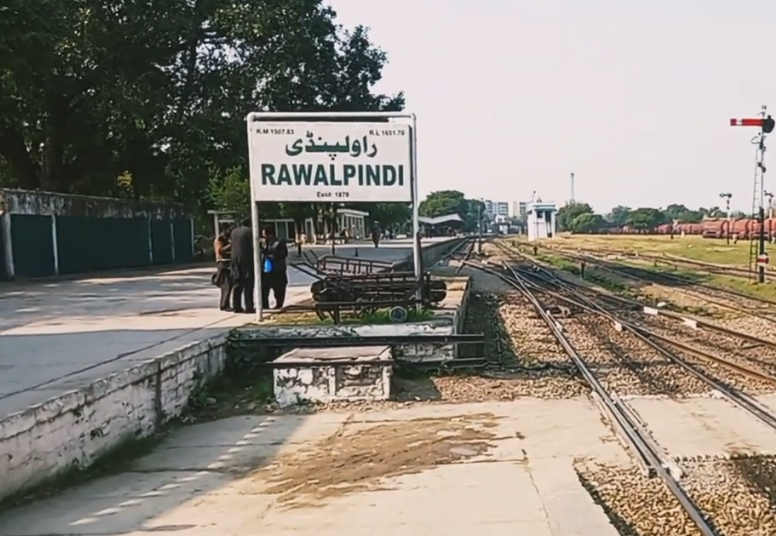
Rawalpindi District, serving as the division's administrative and historical headquarters, operates as a premier strategic, military, and economic gateway in northern Pakistan. Adjacent to the federal capital, Islamabad, the district functions as a key commercial hub that anchors northern transport logistics and features robust service sectors, retail markets, and small-to-medium industrial clusters. Spread across densely populated urban, suburban, and rural tehsils, it encompasses 1 Metropolitan Corporation, 4 Municipal Committees, and a sprawling cantonment footprint, standing as one of Pakistan's most vital urban agglomerations. This page summarises district statistics, services, elected representation, and priority development challenges.
6,118,911 2023 Digital Census
5,286 km²
7 tehsils · 84 union councils · 1,231 villages
| Indicator | Value |
|---|---|
| Total population (2023 Census) | 6,118,911 |
| Tehsils | 07 |
| Union councils | 84 |
| Villages | 1,231 |
| Total area | 5,286 km² |
| Type | Count |
|---|---|
| Government schools | 999 |
| Public colleges (24 female, 16 male) | 40 |
| Facility type | Count |
|---|---|
| DHQ hospitals | 02 |
| THQ hospitals | 06 |
| Allied hospitals | 02 |
| Rawalpindi Institute of Cardiology | 01 |
| MCH centres | 06 |
| Basic health units (BHUs) | 98 |
| GRD | 06 |
| Dispensaries | 06 |
| Facility type | Count |
|---|---|
| DHQ | 02 |
| THQ | 06 |
| Allied | 02 |
| BHU | 98 |
| MCH | 06 |
| Total documented facilities | 127 |
| Circle / Tehsil | Stations |
|---|---|
| Cantt Circle | 05 |
| Saddar Circle | 03 |
| City Circle | 04 |
| Waris Khan Circle | 02 |
| New Town Circle | 02 |
| Civil Lines Circle | 03 |
| Taxila Circle | 03 |
| Gujar Khan Circle | 02 |
| Kahuta Circle | 02 |
| Murree Circle | 01 |
| Kotli Sattian Circle | 01 |
| Total | 28 |
| Measure | Notes |
|---|---|
| Civil courts (by tehsil) | Not specified in available district source data. |
Based on listed MNAs and MPAs (NA-51–57, PP-7–19). PML-N: 14 · PPPP: 1 · IND: 5.
Hospital beds per 1,000 population, unemployment/underemployment, safe water access, and road surface fatigue from district source data. Further detail is in the priority sections below.
| Member | Constituency | Name (Party) |
|---|---|---|

|
NA-51 Rawalpindi-cum-Murree | Raja Osama Sarwar (PML-N) |
|
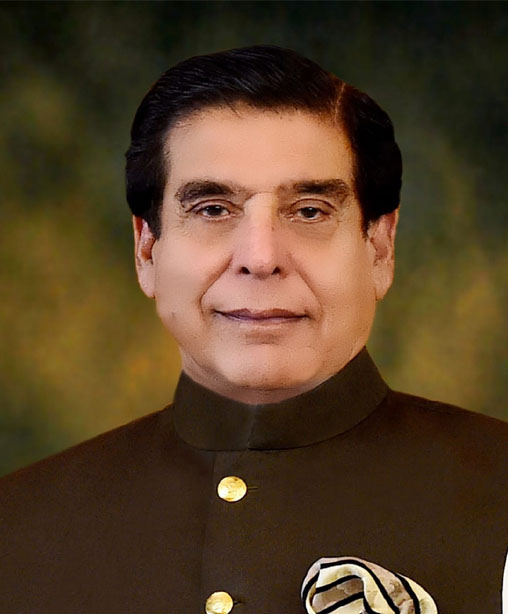
NA-52 Rawalpindi-I | Raja Pervez Ashraf (PPPP) |
|
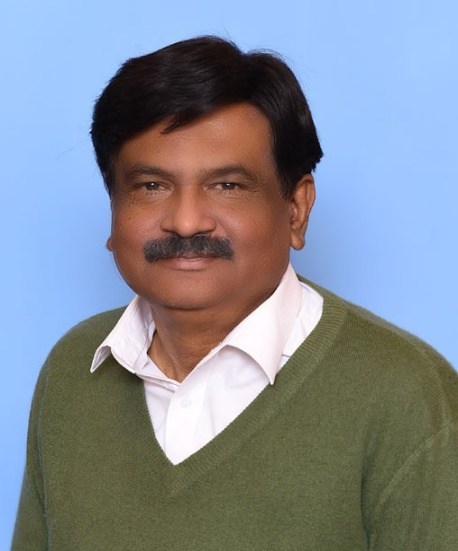
NA-53 Rawalpindi-II | Raja Qamar Ul Islam (PML-N) |

|
NA-54 Rawalpindi-III | Mr. Aqeel Malik (PML-N) |
|
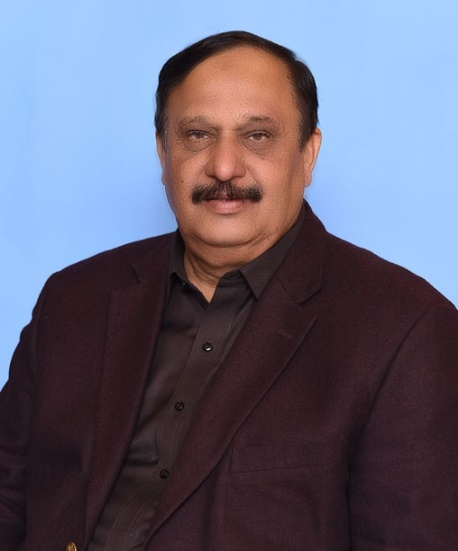
NA-55 Rawalpindi-IV | Mr. Ibrar Ahmed (PML-N) |
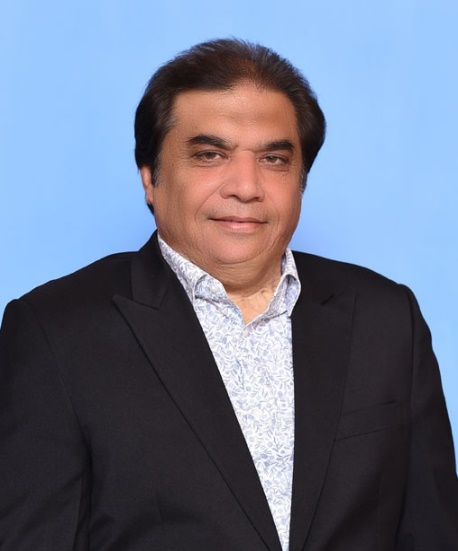
|
NA-56 Rawalpindi-V | Mr. Muhammad Hanif Abbasi (PML-N) |
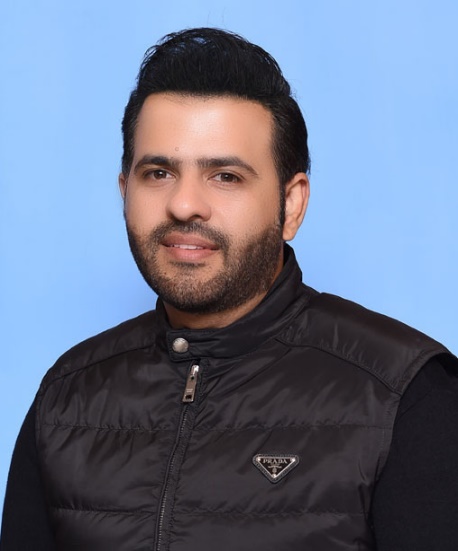
|
NA-57 Rawalpindi-VI | Mr. Danyal Chaudhary (PML-N) |
| Member | Constituency | Name (Party) |
|---|---|---|
|
PP-7 Rawalpindi-II | Raja Sagheer Ahmed (PML-N) |
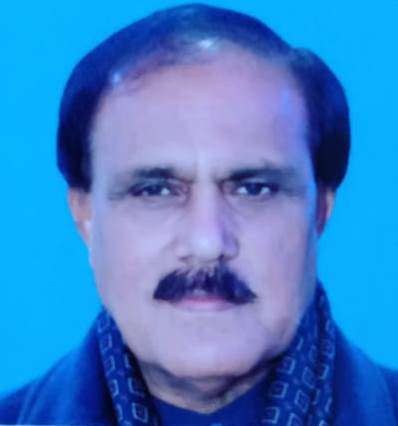
|
PP-8 Rawalpindi-III | Javed Kausar (IND) |
|
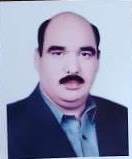
PP-9 Rawalpindi-IV | Shaukat Raja (PML-N) |
|
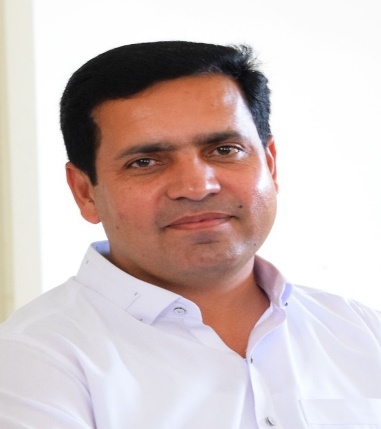
PP-10 Rawalpindi-V | Naeem Ejaz (PML-N) |
|
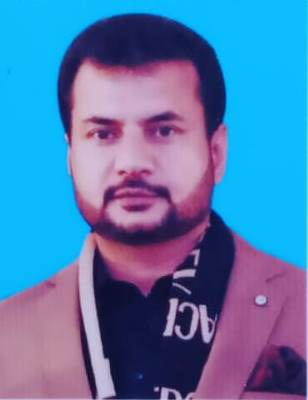
PP-11 Rawalpindi-VI | Imran Ilyas Chaudhry (PML-N) |
|
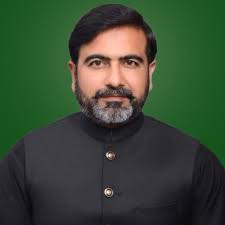
PP-12 Rawalpindi-VII | Mohsin Ayub Khan (IND) |

|
PP-13 Rawalpindi-VIII | Malik Fahad Masood (IND) |
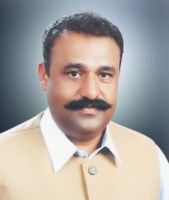
|
PP-14 Rawalpindi-IX | Malik Iftikhar Ahmed (PML-N) |
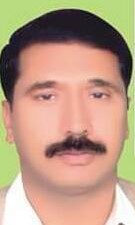
|
PP-15 Rawalpindi-X | Malik Mansoor (PML-N) |
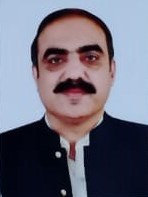
|
PP-16 Rawalpindi-XI | Ziaullah Shah (PML-N) |
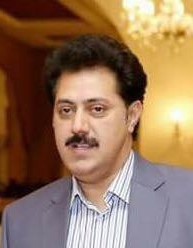
|
PP-17 Rawalpindi-XII | Raja Abdul Hanif (PML-N) |

|
PP-18 Rawalpindi-XIII | Asad Abbas (IND) |
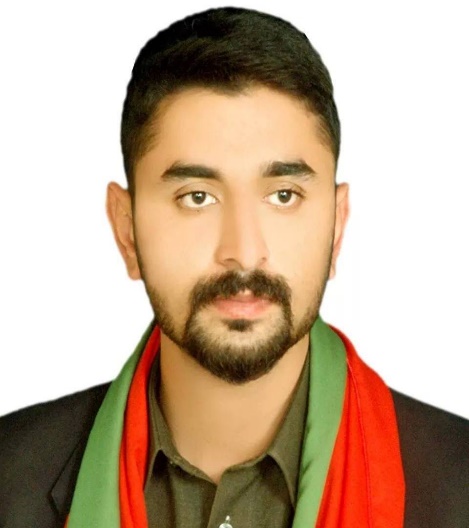
|
PP-19 Rawalpindi-XIV | Tanveer Aslam (IND) |
The district handles an intense regional healthcare deficit, operating under an overstretched capacity layout of just 0.72 beds per 1,000 citizens, where the urban medical centers bear the primary clinical and trauma loads for a regional catchment of over 15 million people across northern Punjab, AJK, and parts of KP.
Despite hosting major urban universities and elite colleges, rural sub-divisions deal with severe school availability gaps and teacher shortages, contributing to a high out-of-school child pattern that reaches 8.52% in Kotli Sattian and 9.76% in Kallar Syedan.
Underemployment and job insecurity remain critical for highly qualified graduates, with Rawalpindi Division topping the entire Punjab province with a youth unemployment rate of 17.78% due to a severe lack of localized industrial and corporate alignment.
Rapid urban expansion and water table depletion have severely compromised shallow aquifers, leaving 44% of the population without safe drinking water and causing a dangerous reliance on groundwater extraction of 35 MGD via 480+ strained tube wells.
Over 600 cusecs of untreated domestic sewage and municipal solid waste empty directly into the Lai Nullah basin daily, while the municipal drainage grid provides structured sewerage services to only 70–72% of the urban area, leaving 28–30% of the core completely unserved.
Continuous inter-provincial commercial freight and heavy axle transit have induced massive structural surface fatigue and asphalt rutting across more than 40% of secondary factory logistics loops, demonstrating that the current infrastructure layout is grossly insufficient.